

Industry
Temperature monitoring for refrigerated warehouses across cold rooms, freezer areas, docks, and storage zones.
KRYOS helps cold storage and refrigerated warehouse teams keep temperature context visible across cold rooms, freezer rooms, chilled zones, controlled ambient areas, doors, docks, dispatch preparation, loading bays, returns, and quarantine points.
Cold room monitoringWarehouse temperature alertsReview-ready temperature logs
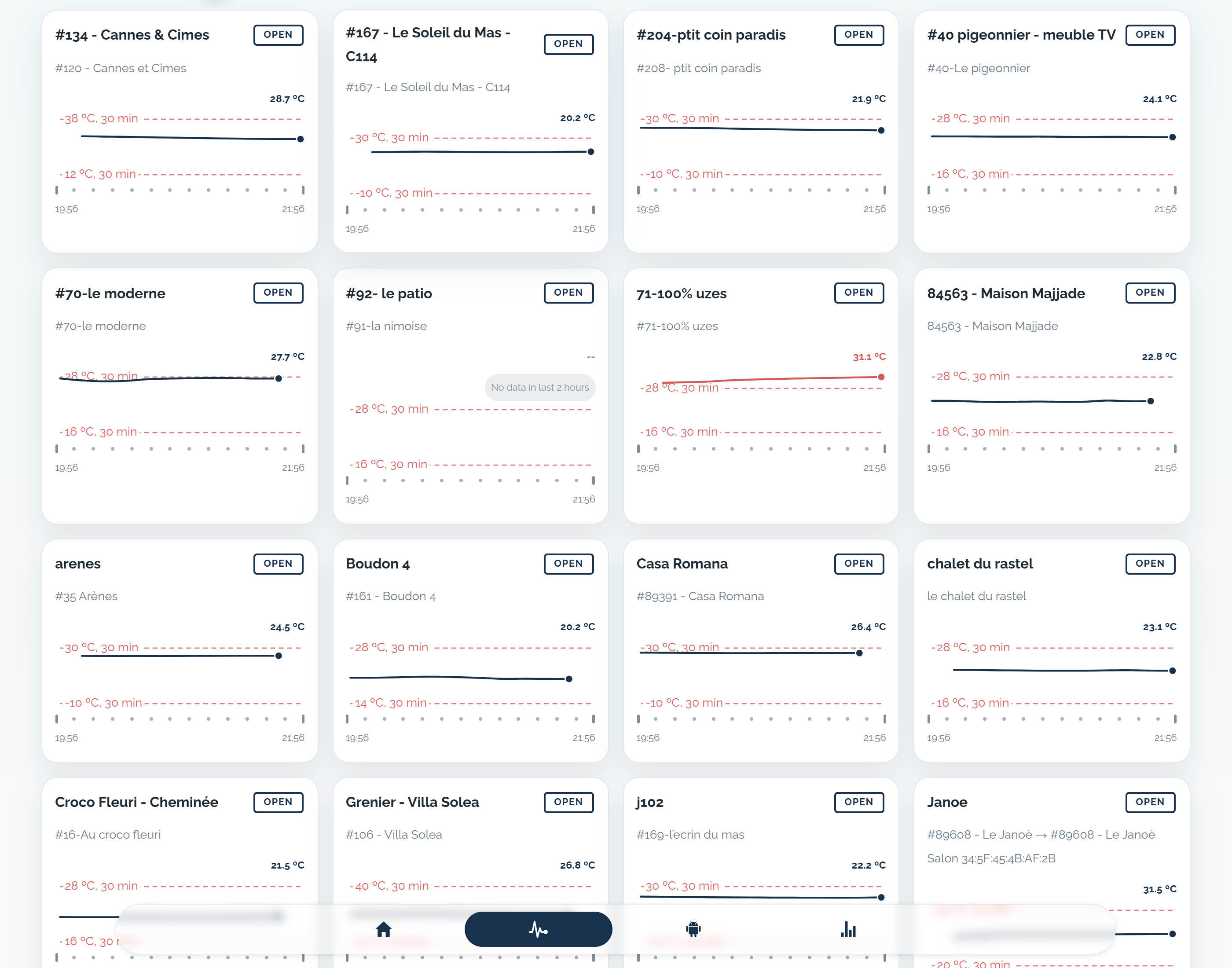
Cold-store map
Storage conditions visible across every chamber and zone
Cold rooms, freezer rooms, controlled ambient areas, rack zones, and door zones
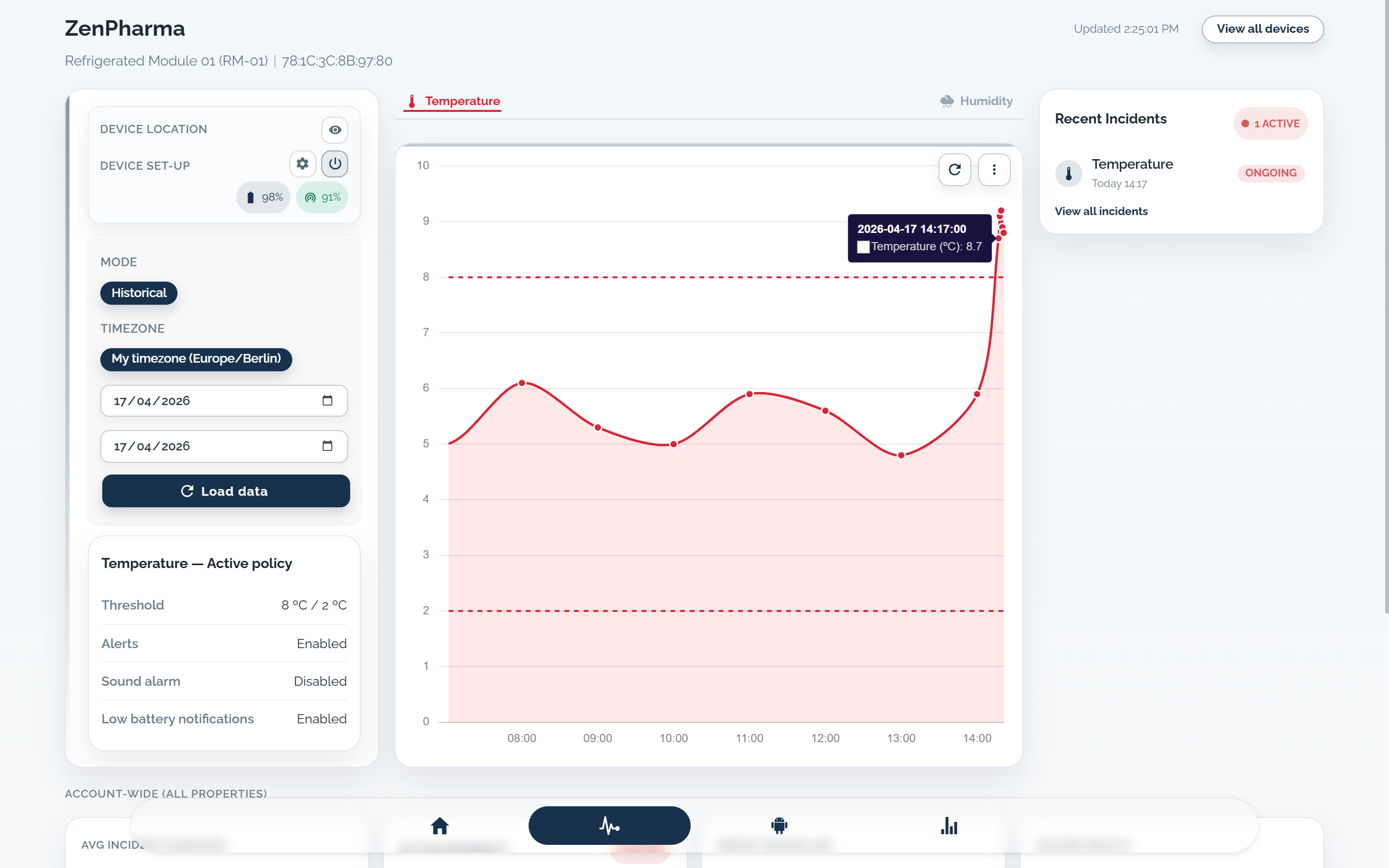
Threshold state, event duration, min/max exposure, door activity, defrost, or equipment drift
Acknowledgement, response notes, trend history, reports, and exports by room or zone
Built for refrigerated warehouses, cold stores, freezer facilities, multi-zone sites, and operators serving food, pharma, healthcare, and other controlled products.
Where refrigerated warehouse monitoring breaks down
Warehouse temperature monitoring is not only about one room reading. Operators need to see which chamber, door, dock, rack area, or temporary hold changed, what may have caused it, and what evidence remains after the response.
One facility contains many exposure points
Cold rooms, freezer rooms, controlled ambient zones, goods-in, picking, dispatch preparation, loading bays, dispatch holds, returns, and quarantine areas can each carry different thresholds and customer implications.
Door, dock, and equipment patterns create drift
Door openings, forklift traffic, air curtains, blocked airflow, defrost cycles, refrigeration drift, power issues, and seasonal peaks can create excursions that manual checks may miss.
Reviews need zone-level evidence
A later customer, food safety, GDP-oriented, claim, or internal review needs the affected room or zone, event duration, min/max exposure, acknowledgement, response notes, and exportable logs.
Cold storage warehouse monitoring
What refrigerated warehouse teams need to coordinate
The monitoring setup should match the facility: multiple temperature regimes, large rooms, transition points, door and dock activity, alert ownership, and records that remain useful for operations, quality, customer, and audit review.
Room, zone, and transition-point coverage
Monitor cold rooms, freezer rooms, chilled zones, controlled ambient areas, high-risk rack areas, goods-in, dispatch preparation, loading bays, returns, quarantine, and temporary holds with continuous visibility. Check representative rooms, racks, doors and docks against available approved mapping, airflow and defrost context. Confirm cable reach, accessible powered device, network and the facilities or QA shift responsible for response. Permanent monitoring is separate from mapping and refrigeration service; stock decisions remain with the customer. Confirm representative placement, supplied power and network, test the configured notification path and record the setup.
Alerts with ownership and operating context
Route out-of-range readings to operations, QA, facilities, refrigeration support, night shift, or site leadership with room, zone, threshold, timing, acknowledgement, and response context still visible.
Logs for storage, customer, and quality review
Keep readings, min/max exposure, trend history, alarm acknowledgements, response notes, reports, and exports organized by site, room, zone, or monitored area for customer questions, audits, claims, and internal review. Temperature and relative-humidity records are available in CSV/PDF; check the relevant period and visibly marked missing readings before review. Select the site, room, zone or event period for customer questions, returns, quarantine or internal review. Acceptance, claims and stock disposition remain with customer quality teams.
Relevant refrigerated warehouse monitoring paths
Use this industry page for the warehouse operating context, then move into the storage, freezer, cold-chain, or records path that fits the evaluation.
Primary solution 01
Refrigerated storage monitoring Dedicated solution path for cold rooms, fridges, freezer areas, warehouse zones, alerts, trend history, and records.
Freezer rooms 02
Freezer temperature monitoring Use this path when freezer rooms, low-temperature storage, freezer alarms, and freezer records are central.
Cold chain 03
Cold chain monitoring Connect warehouse storage to broader cold-chain visibility across transfer, transport, receiving, alerts, and records.
Logs 04
Cold chain temperature logs Review how warehouse readings, alerts, notes, and transfer-point context become structured temperature logs.
Product 05
Wireless temperature monitoring Product context for multi-zone warehouse visibility across cold rooms, freezers, docks, doors, and temporary holds.
Resource 06
Warehouse temperature monitoring checklist Resource checklist for regulated storage zones, alarm ownership, records, and warehouse review needs.
Product 07
Installation and validation Prepare the monitored-point commissioning brief. Confirm placement, supplied power, network and alert responsibility.
Product 08
Reports and audit logs Choose temperature or humidity CSV/PDF review. Check the relevant period and visibly represented missing data.
Proof that supports refrigerated warehouse review
Warehouse buyers need confidence that monitoring can scale beyond a single cold room: multiple chambers, doors, docks, temporary holds, active alerts, and records that remain readable after an incident or customer question. KRYOS preserves the environmental record; the warehouse, customer, or quality process keeps the product disposition decision.
- Live status across cold rooms, freezer rooms, refrigerated zones, controlled ambient areas, loading bays, dispatch preparation, returns, quarantine, and temporary holds
- Incident context with threshold state, room or zone, event duration, min/max exposure, owner, acknowledgement, escalation, and response notes
- Warehouse temperature logs, humidity history where relevant, reports, and exports for food safety review, GDP-oriented review, customer audits, claims, maintenance review, and internal governance
Map warehouse monitoring to your storage zones
Use a guided demo to review cold rooms, freezer rooms, controlled ambient areas, docks, dispatch preparation, loading bays, returns, quarantine points, threshold rules, alert ownership, humidity needs, and reporting requirements.
- Cold room monitoring
- Warehouse temperature alerts
- Review-ready temperature logs
