Product feature

Temperature sensors and probes for reliable field data.

KRYOS starts with calibrated hardware: external probes, replaceable sensor elements, battery options, and cloud records that fit fridges, freezers, rooms, and transport assets.

  • Place the external probe where the temperature should be measured, not only where the device is easiest to mount.
  • Keep device identity, sensor identity, calibration status, and readings connected in the cloud record.
  • Replace or recalibrate sensor elements without losing the monitored asset history.
Device, probe, and sensing chain
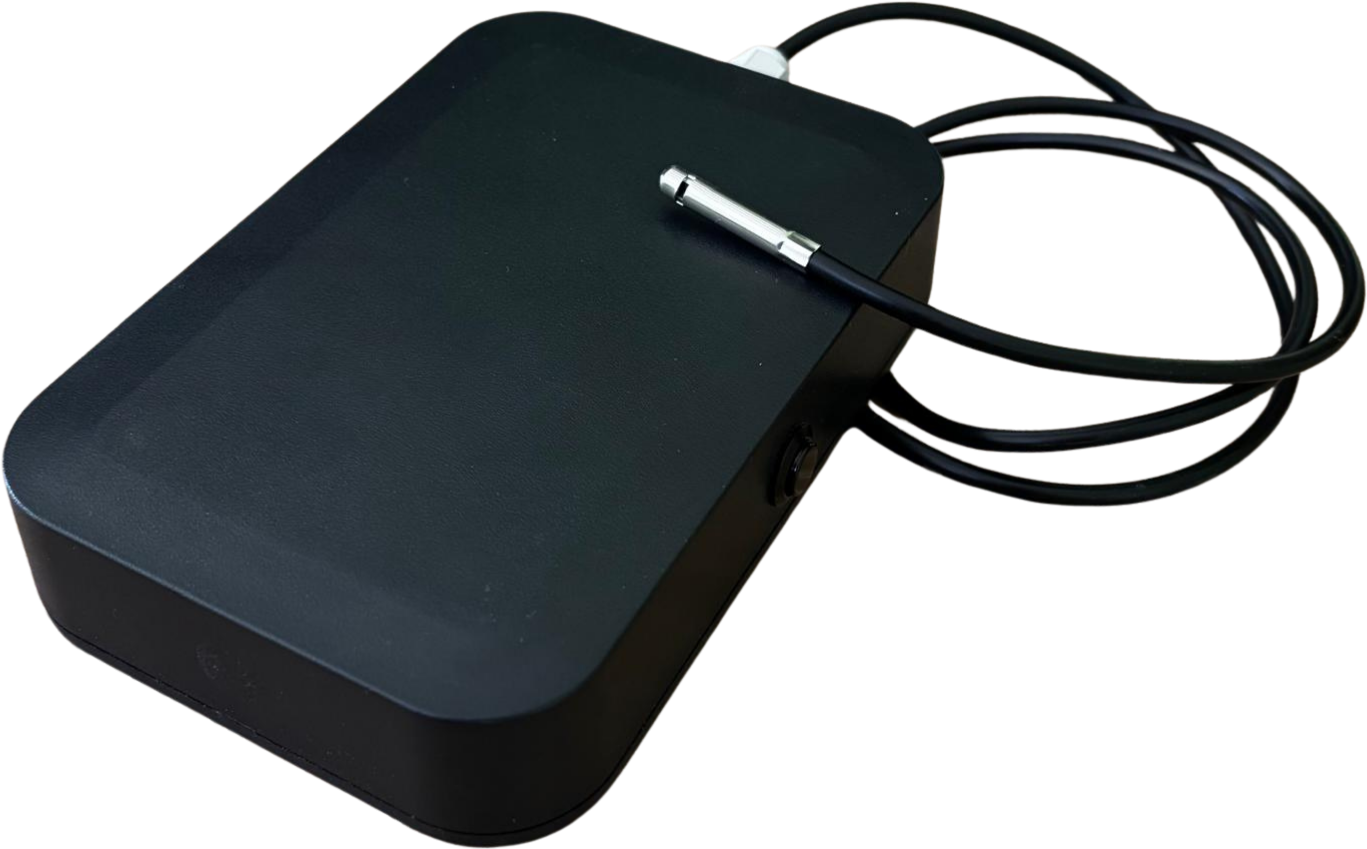
KRYOS temperature monitoring device with external probe and cable.
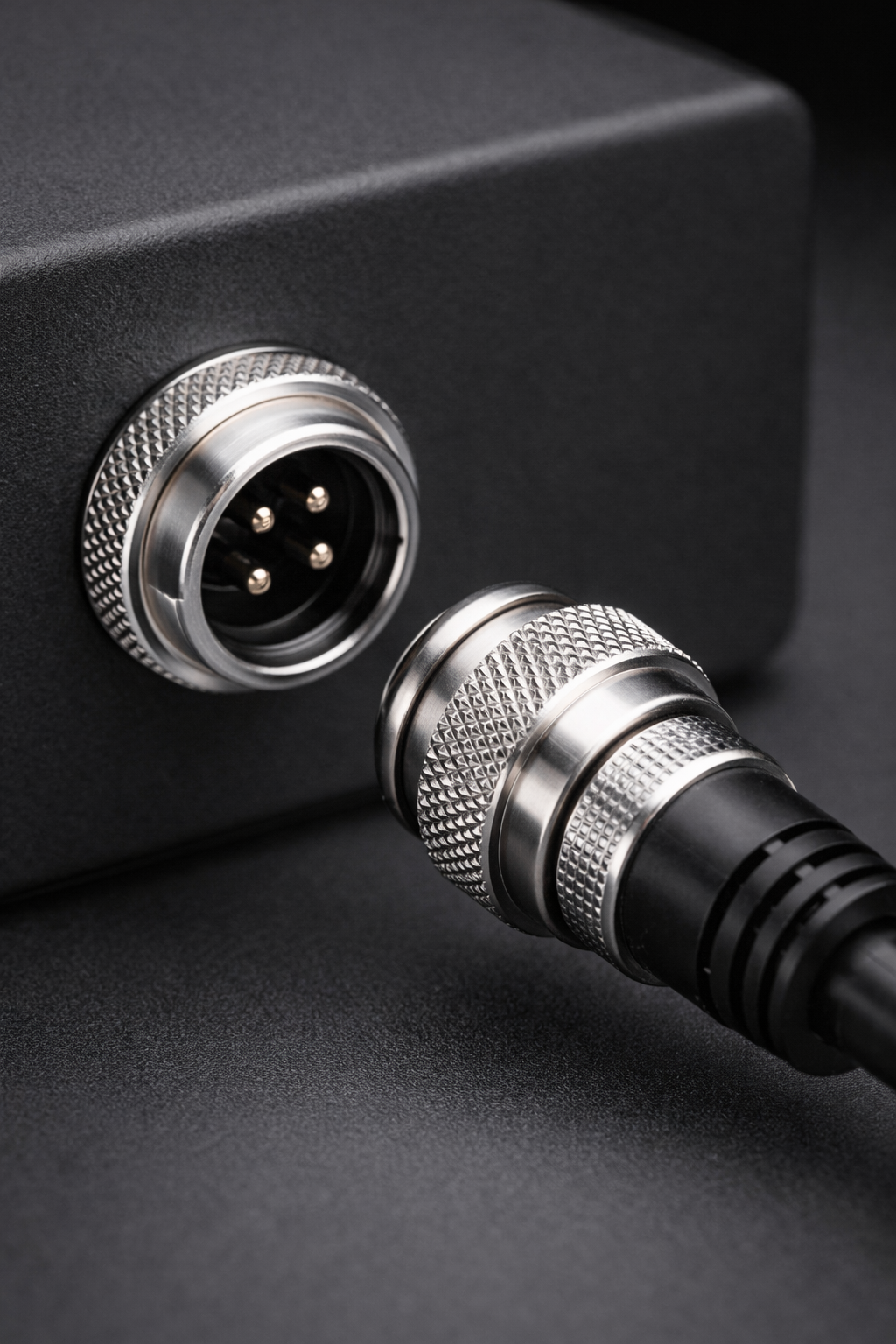
GX12-style probe connector shown as an easy plug connection.
Probe connection Unplug the old probe, connect the replacement, and keep the asset record intact.
ISO/IEC 17025 calibration Three-point temperature certificate
Two-year recalibration planning Low drift under 0.01 °C/year
Battery options Alkaline or rechargeable
Battery life Up to 1.2 years: 4 AAA alkaline/rechargeable, hourly measurements, standard ambient conditions
For the intended use, check the supplied probe's operating conditions, declared accuracy and certificate uncertainty. Calibration points do not define the assembled device's operating range.

Match the hardware to the monitored point

A useful temperature monitoring setup is more than a temperature data logger with probe hardware on a wall. The sensor, probe position, battery model, and calibration path all need to fit the environment.

Hardware fit by environment

Refrigerators and medicine cabinets

Place the probe where products are stored while keeping the device accessible for checks, batteries, and service.

Freezers and colder assets

Use probe placement to monitor the cold point without forcing the full device into the most demanding location.

Cold rooms and storage areas

Map sensors to representative points, doors, airflow zones, or critical shelves so daily readings reflect real storage conditions.

Transport units and transfers

Keep readings tied to the vehicle, container, route, or shipment context instead of treating each logger as an isolated file.

Temperature data logger expectations

Support temperature logger evidence needs while keeping alerts, certificates, and review records in the connected monitoring system.

From probe placement to battery and maintenance routines

01. Define the monitored point

Choose the fridge, freezer, room, cabinet, or transport point that should represent the actual storage condition.

02. Connect the device and probe

Mount the wireless device where it can operate reliably, then place the external probe at the measurement point.

03. Choose battery model and track maintenance

Choose alkaline or rechargeable batteries for the operating model, then track battery state, calibration certificate, recommended recalibration date, and sensor history in the monitoring record.

Alkaline batteries for simple replacement

Use alkaline batteries when teams prefer spare-stock replacement and want no charging routine in daily operations.

Rechargeable batteries for planned checks

Use rechargeable batteries when reuse is preferred and charging can be managed as part of scheduled device checks.

Battery state stays with the record

Battery life is up to 1.2 years with four AAA alkaline or rechargeable batteries, hourly measurements and standard ambient conditions. More frequent measurements reduce battery life. Battery state remains visible beside sensor and calibration status.

No broken evidence trail

Replacing a calibrated sensor should not create a disconnected record. KRYOS keeps the asset, certificate, readings, and review path together.

Calibration and sensor change

Two-year recalibration planning with traceable sensor records

Every standard KRYOS external probe contains a Sensirion SHT43 sensor with an individual ISO/IEC 17025 temperature calibration certificate at -30, 5 and 70 °C, linked to its cloud record. Relative humidity is covered by manufacturer calibration and traceability documentation, not an individual accredited humidity certificate.

ISO/IEC 17025 certificate3-point temperature calibrationTwo-year recalibration planning

One certificate per sensor

Keep the certificate linked to the sensor and monitored asset for review and download. Accreditation covers the sensor's temperature calibration, not the assembled KRYOS device or KRYOS as a calibration laboratory.

Replace or recalibrate the sensing component

When the recalibration date approaches, teams can plan sensor replacement or recalibration without losing device, asset, or history context.

Recalibration due date visible

The cloud record can show the recommended recalibration date and alert teams before action is due.

Plan sensor and probe coverage before rollout

Request a demo if you need to plan temperature sensors, external probes, calibration records, batteries, and recalibration routines across fridges, freezers, rooms, or transport assets.

  • Calibrated sensing
  • Replaceable sensor elements
  • Battery and recalibration visibility